Why Australia Offers a Unique Perspective for Globetrotting Geologists
Diverse Geological Landscapes
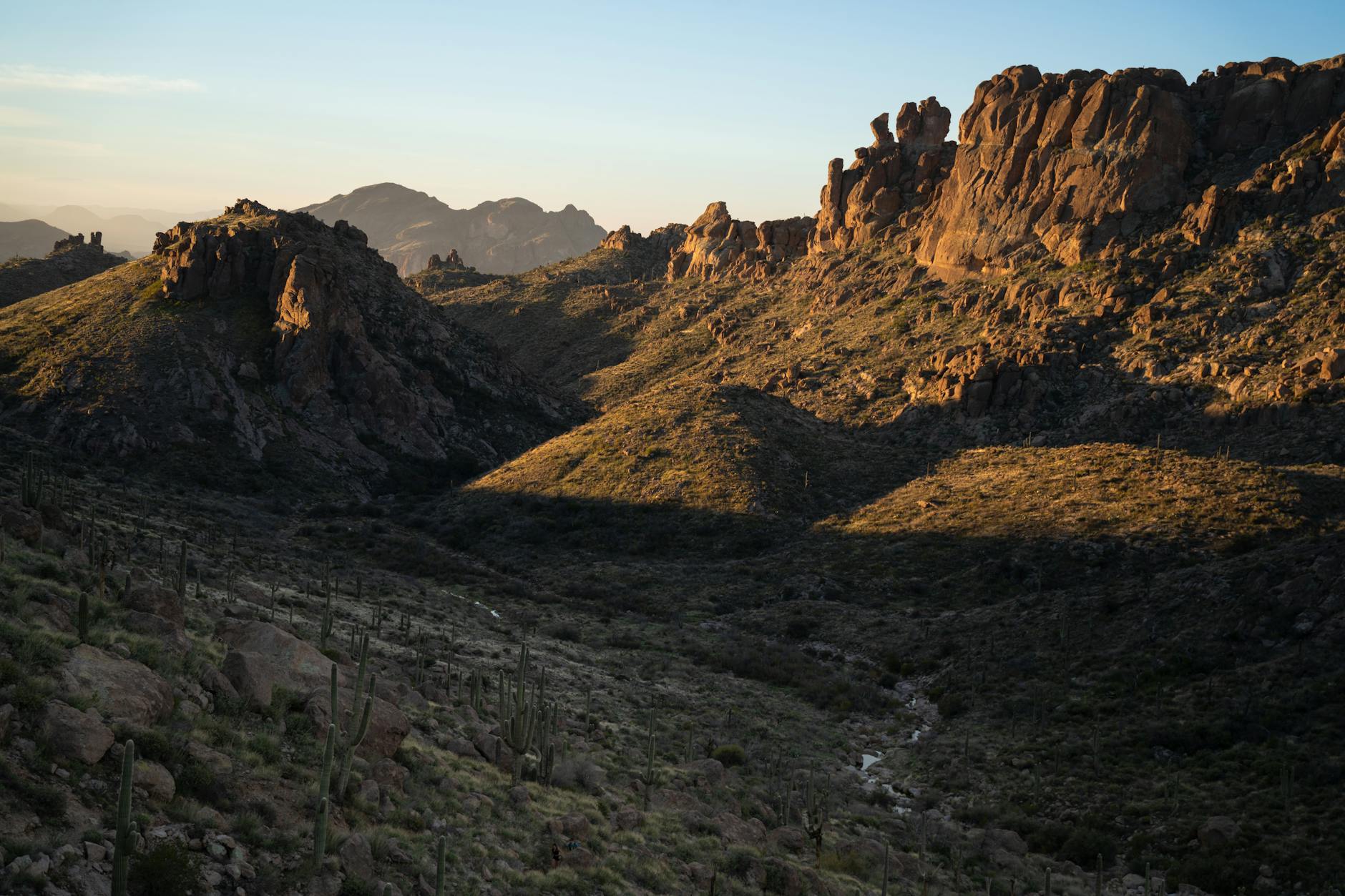
Australia's rich geological canvas is a playground waiting for a geologist's keen eye, akin to standing in awe at the geological formations of King's Park. Here, one can marvel at ancient rock formations that are not just visually striking but hold stories dating back millions of years. The Pilbara region, for instance, is home to some of the oldest rocks in the world. These ancient formations provide unparalleled opportunities for research and understanding Earth's formative years. From the striking red landscapes that look like they’ve been pulled straight from Mars to rock specimens that reveal data about ancient climates, there’s a vast terrain for exploration.
Moreover, the unique mineral deposits scattered across the continent draw professionals interested in both economic geology and sustainability. Australia's mineral-rich crust has fueled a multitude of studies, particularly those that explore how to extract resources responsibly. The landscape is dotted with deposits of iron ore, gold, bauxite, and more, all critical to global supply chains.
Diverse geothermal features further enrich this geological odyssey. Sites like the Great Artesian Basin highlight both geothermal activity and their historical significance in shaping Australia's environment. These landscapes offer a multifaceted view of geological processes at work, providing ample opportunities to conduct impactful field studies.
In essence, Australia’s geological landscapes serve as a testament to millions of years of Earth's history, with each area offering unique insights for those keen to explore. As you might ponder amidst these terrains, could an expedition in the region be just as exhilarating as a South Africa safari or a Galapagos cruise?
Biodiversity and Geology
Exploring the intricate relationship between biodiversity and geology provides a profound understanding of Australia’s ecosystems. The geological formations at King's Park offer an enlightening example of how diverse geological landscapes shape ecosystems. As someone deeply rooted in geosciences, I appreciate the depth of insight these formations provide.
Ecosystems Shaped by Geology
Australia's unique geological history has crafted a variety of ecosystems. The ancient rock formations here provide nutrient-rich substrates that influence the types of flora and fauna that thrive. These rocks weather over millennia, breaking down to form soils that support diverse plant life, subsequently affecting the wildlife that depends on these plants for survival.
Geological Influence on Biodiversity
Geological formations play a crucial role in biodiversity. From deserts to rainforests, these landscapes create microhabitats, offering shelter and sustenance to a plethora of species. The hills and valleys, shaped over millions of years, act as natural corridors for species migration and intermingling, promoting genetic diversity.
Case Studies of Flora and Fauna
Examining specific cases, such as unique plant species that grow on certain mineral-rich soils, reveals how geology directly dictates biological diversity. Additionally, observing the evolutionary adaptations of animals inhabiting these environments highlights the intricate balance between geological forces and living organisms.
Whether you're venturing into Arctic cruises for frozen tundra landscapes or exploring the vibrant biota during Central America tours, the geological narratives are ever-present, influencing the vibrancy and richness of life itself. Understanding these interactions allows us to appreciate the environmental tapestry that connects us all.
Access to Remote Sites
For geologists like myself, the allure of Australia's remote terrains is undeniable. The continent offers unparalleled opportunities for fieldwork, especially when exploring sites like the Bickley Valley. These remote sites are not just about isolation; they hold the potential for groundbreaking discoveries. The geological formations you encounter here echo the ancient landscapes akin to those found in Namibia tours.
Even though some sites are secluded, the infrastructure and accessibility are better than one might anticipate. The region's commitment to fostering collaboration between geologists and academic institutions makes these sites more approachable, allowing us to delve deeper into our research without the hindrance of logistical challenges.
Government and Academic Collaborations
Collaborative efforts between government entities and academic institutions are pivotal in supporting geological research. In Australia, such partnerships offer geologists the resources and permissions necessary to effectively conduct fieldwork. These collaborations also provide the framework for pursuing longitudinal studies that explore how geological formations impact biodiversity, much like those seen in Tanzania safari settings.
Hands-On Learning Experiences
The value of practical, hands-on exploration in geology cannot be overstated. Whether it's through university-led excursions or independent expeditions, the chance to work directly with natural formations presents invaluable learning opportunities. This experience is mirrored in the detailed exhibits at the Western Australian Museum, which enhances our understanding of how geology shapes local ecosystems. Through these hands-on experiences, we gain insights that may not be accessible through theoretical studies alone, enriching our comprehension of Earth's natural history.
Sustainability in Exploration
Eco-Friendly Practices
Incorporating sustainable methods into geological exploration is not just commendable but essential. By employing eco-friendly practices, we make concerted efforts to reduce our footprint on these fragile environments. For instance, during Patagonia tours, operators often implement sustainable waste management systems and use vehicles that meet emissions standards. By integrating such measures, we protect the diverse geological features and ecosystems that these areas boast.
Conservation Efforts
It's important to understand that conservation is a crucial aspect when conducting explorations. Efforts to preserve natural landscapes often involve collaborations between local communities and scientific organisations. In areas like the Galapagos Islands tours, conservation strategies include regulated visiting hours and specific guidelines for tourists. This helps to mitigate environmental degradation, particularly in regions with unique ecological and geological formations.
Community Involvement
Engaging local communities in sustainable exploration can greatly enhance conservation efforts. This approach not only supports local economies but also empowers residents to play an active role in preserving their natural heritage. For example, community-based initiatives often include guides and eco-friendly accommodations that incentivise the protection of their region's geological resources. These practices ensure that exploration benefits both visitors and locals, aligning with the core values of sustainability.
Overcoming Geologist Challenges
Navigating Remote Terrain with Expertise
Sure, when we talk about the challenges of navigating Australia’s remote terrain, we’re delving into an aspect that demands a blend of geological knowledge and pragmatic adaptability. Western Australia, with its extensive outback regions, calls for geologists to be thoroughly equipped for long-haul excursions. The serene landscapes of the Bickley Valley serve as a gentle reminder of the tranquil yet complex nature of these terrains. Mastering the art of working in such challenging environments starts with understanding the land formations you walk upon, akin to those found in the geological exhibits at the Western Australian Museum. This knowledge can guide geologists in planning their routes optimally, ensuring safety and efficiency.
Work-Life Balance in Exploration
Balancing the professional demands of geology with exploration is a subtle art. Those of us who consider fieldwork as our second home often find ourselves entrenched in the drive for discovery while trying to maintain personal harmony. The geological formations of King's Park, with their silent stories, remind me of the importance of reflection and setting personal boundaries. Implementing structured schedules and leveraging technology for virtual data collection can carve out the much-needed balance. Connecting with local communities enhances our experience, offering insights that books sometimes can’t cover.
Ensuring Minimal Environmental Impact
In our passion-driven journey through geology, sustainability must be at the forefront. It’s crucial to adopt strategies that ensure minimal impact during exploration activities. Eco-friendly practices not only protect our precious ecosystems but also align with community conservation efforts. As we tread carefully over Western Australia's native flora and delicate earth formations, we integrate sustainable methodologies that other middle-aged professionals with an interest in environmental stewardship can appreciate. Responsible exploration upholds the integrity of this beautiful land, enriching our findings and fostering future discoveries.